Buy خح.com ?
We are moving the project
خح.com .
Are you interested in purchasing the domain
خح.com ?
domain@kv-gmbh.de · 0541-91531010
Buy خح.com ?
What is the fractionation method?
Fractionation is a separation process used in various industries to separate a mixture into its individual components based on their different boiling points. This method involves heating the mixture to a specific temperature, causing the components with lower boiling points to vaporize and rise to the top of the fractionating column, while the components with higher boiling points remain in liquid form. The vaporized components are then condensed back into liquid form and collected as separate fractions. This process allows for the isolation of pure components from a complex mixture. **
Is the fractionation method the same as the separation method?
The fractionation method is a type of separation method. Fractionation involves separating a mixture into its individual components based on their different physical or chemical properties, such as boiling point, solubility, or molecular size. This process results in the formation of fractions, which are the individual components of the mixture. Therefore, while fractionation is a type of separation method, not all separation methods involve fractionation. **

Similar search terms for Fractionation
Top-Angebote
Products related to Fractionation:
-
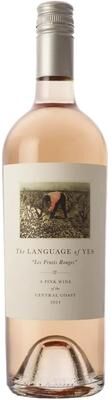
"""The Language of Yes""" """The Language of Yes Les Fruits Rouges Rose 2024 Rosé Wine - California""""""A medium salmon-colored rosé in which both Grenache and Cinsaut show their varietal typicity and inspire the moniker, \""Les Fruits Rouges.\"" A structured, pink-orange wine with vivid acidity and some tannin for a firm mouthfeel. Unique, earthy,..."22,97 $*Shipping: 0,00 $Secure redirect to the provider
-
"""The Language of Yes""" """The Language of Yes Les Fruits Rouges Rose 2025 Rosé Wine - California""""""A medium salmon-colored rosé in which both Grenache and Cinsaut show their varietal typicity and inspire the moniker, \""Les Fruits Rouges.\"""23,97 $*Shipping: 0,00 $Secure redirect to the provider
-
Summersdale Doggie Language by Lili Chin - Hardback - Illustrated Guide to Dog Body Language - Perfect Gift for Dog OwnersDoggie Language by Lili Chin is a beautifully illustrated hardback guide that decodes canine body language for dog owners, trainers, and animal lovers of all experience levels. Written and illustrated by Lili Chin, this compact yet comprehensive handbook turns subtle tail wags, ear positions, and posture shifts into a clear visual language anyone can learn. It's an ideal resource for new puppy parents, seasoned dog owners, and anyone looking to build a deeper bond with their four-legged companion. Dogs communicate constantly through body language, but much of what they're telling us goes unnoticed or misread, often leading to unnecessary stress for both dog and owner. This guide addresses this gap with warm, friendly illustrations mapping out common canine postures, facial expressions, and tail positions.3,95 £*Shipping: 2,99 £Secure redirect to the provider
-
RLF Home Tradition Provance Valance"Fits Windows up to 50""W. Use multiples for Wider Windows. Decorator's quality fabrics. Fully lined with Poly/Cotton Ivory lining. Use a 2-1/2"" Continental Rod, a regular 3/4"" Curtain rod, Tension rod or Decorative pole no more than 1-3/8"" Diameter."64,49 $*Shipping: 0,00 $Secure redirect to the provider


-
Can you please help me with the isolation and fractionation of chloroplasts for photosynthesis?
Sure! Isolating and fractionating chloroplasts for photosynthesis involves several steps. First, you would need to extract chloroplasts from plant tissue using a buffer solution and a homogenizer. Then, you can use differential centrifugation to separate the chloroplasts from other cellular components based on their size and density. After that, you can use a sucrose density gradient to further purify and fractionate the chloroplasts based on their buoyant density. Finally, you can collect the chloroplast fractions and use them for studying photosynthesis. Keep in mind that this process requires careful handling and precise techniques to ensure the purity and functionality of the isolated chloroplasts. **
-
Can someone tell me the steps of cell fractionation by density gradient centrifugation with explanation?
Cell fractionation by density gradient centrifugation involves several steps: 1. Homogenization: The first step is to break open the cells and release their contents. This is typically done using a homogenizer or sonicator to disrupt the cell membranes. 2. Centrifugation: The homogenized cell suspension is then centrifuged at a low speed to remove large debris and unbroken cells. This step separates the homogenate into different fractions based on size and density. 3. Density gradient formation: A density gradient solution, such as sucrose or cesium chloride, is prepared and layered in a centrifuge tube. The gradient is formed by layering solutions of increasing density from the bottom to the top of the tube. 4. Centrifugation: The cell homogenate is then layered on top of the density gradient and centrifuged at high speeds. During centrifugation, the different cellular components separate based on their density and form distinct bands within the gradient. **
-
How can one forget culture and heritage?
One can forget culture and heritage by not actively engaging with it, by being disconnected from one's roots and community, and by prioritizing other aspects of life over preserving and celebrating one's cultural identity. This can happen through assimilation into a different culture, lack of exposure to one's own cultural traditions and practices, and a lack of interest in learning about one's heritage. Additionally, societal pressures and discrimination can also contribute to the erasure of one's culture and heritage. **
-
Can someone provide me with the steps of cell fractionation by density gradient centrifugation with explanation?
Cell fractionation by density gradient centrifugation involves separating cellular components based on their density. The steps are as follows: 1. Homogenize the cells to break them open and release their contents. 2. Centrifuge the homogenate at low speed to remove large debris and nuclei. 3. Layer the supernatant on top of a density gradient medium in a centrifuge tube. 4. Centrifuge the tube at high speed, causing cellular components to separate based on their density, with heavier components sinking to the bottom and lighter components staying towards the top. 5. Collect the fractions at different density levels and analyze them to isolate specific cellular components. This method allows for the separation of organelles and other cellular components based on their density, providing researchers with purified fractions for further analysis. **


What is the difference between culture and tradition?
Culture refers to the beliefs, customs, arts, and social behaviors of a particular group of people, encompassing a broader range of practices and values. On the other hand, tradition specifically refers to the customs and practices that are passed down from generation to generation within a specific community or society. While culture is more dynamic and can evolve over time, traditions tend to be more static and rooted in history and heritage. **
What is the meaning of tradition, culture, and identity?
Tradition refers to the customs, beliefs, and practices that are passed down from generation to generation within a community or society. Culture encompasses the shared values, beliefs, and behaviors of a particular group of people, including their language, art, music, and social norms. Identity is the sense of self and belonging that is shaped by one's cultural background, traditions, and experiences. Together, tradition, culture, and identity form the foundation of a person's sense of belonging and connection to their community and heritage. **
Top-Angebote
Products related to Fractionation:
-
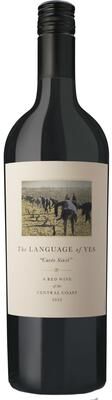
"""The Language of Yes""" """The Language of Yes Cuvee Sinso 2022 Red Wine - California""""""A French-inspired, Cinsaut-based red blend. Cinsaut and Syrah co-fermented for two weeks to extract color and texture. A small amount of Grenache from Rancho Réal was blended for fragrance. Aged in neutral barrels and stainless. Exuberantly..."26,97 $*Shipping: 0,00 $Secure redirect to the provider
-
"""The Language of Yes""" """The Language of Yes Les Fruits Rouges Rose 2024 Rosé Wine - California""""""A medium salmon-colored rosé in which both Grenache and Cinsaut show their varietal typicity and inspire the moniker, \""Les Fruits Rouges.\"" A structured, pink-orange wine with vivid acidity and some tannin for a firm mouthfeel. Unique, earthy,..."22,97 $*Shipping: 0,00 $Secure redirect to the provider
-
"""The Language of Yes""" """The Language of Yes Les Fruits Rouges Rose 2025 Rosé Wine - California""""""A medium salmon-colored rosé in which both Grenache and Cinsaut show their varietal typicity and inspire the moniker, \""Les Fruits Rouges.\"""23,97 $*Shipping: 0,00 $Secure redirect to the provider
-
What is the fractionation method?
Fractionation is a separation process used in various industries to separate a mixture into its individual components based on their different boiling points. This method involves heating the mixture to a specific temperature, causing the components with lower boiling points to vaporize and rise to the top of the fractionating column, while the components with higher boiling points remain in liquid form. The vaporized components are then condensed back into liquid form and collected as separate fractions. This process allows for the isolation of pure components from a complex mixture. **
-
Is the fractionation method the same as the separation method?
The fractionation method is a type of separation method. Fractionation involves separating a mixture into its individual components based on their different physical or chemical properties, such as boiling point, solubility, or molecular size. This process results in the formation of fractions, which are the individual components of the mixture. Therefore, while fractionation is a type of separation method, not all separation methods involve fractionation. **
-
Can you please help me with the isolation and fractionation of chloroplasts for photosynthesis?
Sure! Isolating and fractionating chloroplasts for photosynthesis involves several steps. First, you would need to extract chloroplasts from plant tissue using a buffer solution and a homogenizer. Then, you can use differential centrifugation to separate the chloroplasts from other cellular components based on their size and density. After that, you can use a sucrose density gradient to further purify and fractionate the chloroplasts based on their buoyant density. Finally, you can collect the chloroplast fractions and use them for studying photosynthesis. Keep in mind that this process requires careful handling and precise techniques to ensure the purity and functionality of the isolated chloroplasts. **
-
Can someone tell me the steps of cell fractionation by density gradient centrifugation with explanation?
Cell fractionation by density gradient centrifugation involves several steps: 1. Homogenization: The first step is to break open the cells and release their contents. This is typically done using a homogenizer or sonicator to disrupt the cell membranes. 2. Centrifugation: The homogenized cell suspension is then centrifuged at a low speed to remove large debris and unbroken cells. This step separates the homogenate into different fractions based on size and density. 3. Density gradient formation: A density gradient solution, such as sucrose or cesium chloride, is prepared and layered in a centrifuge tube. The gradient is formed by layering solutions of increasing density from the bottom to the top of the tube. 4. Centrifugation: The cell homogenate is then layered on top of the density gradient and centrifuged at high speeds. During centrifugation, the different cellular components separate based on their density and form distinct bands within the gradient. **
Similar search terms for Fractionation
-
Summersdale Doggie Language by Lili Chin - Hardback - Illustrated Guide to Dog Body Language - Perfect Gift for Dog OwnersDoggie Language by Lili Chin is a beautifully illustrated hardback guide that decodes canine body language for dog owners, trainers, and animal lovers of all experience levels. Written and illustrated by Lili Chin, this compact yet comprehensive handbook turns subtle tail wags, ear positions, and posture shifts into a clear visual language anyone can learn. It's an ideal resource for new puppy parents, seasoned dog owners, and anyone looking to build a deeper bond with their four-legged companion. Dogs communicate constantly through body language, but much of what they're telling us goes unnoticed or misread, often leading to unnecessary stress for both dog and owner. This guide addresses this gap with warm, friendly illustrations mapping out common canine postures, facial expressions, and tail positions.3,95 £*Shipping: 2,99 £Secure redirect to the provider
-
RLF Home Tradition Provance Valance"Fits Windows up to 50""W. Use multiples for Wider Windows. Decorator's quality fabrics. Fully lined with Poly/Cotton Ivory lining. Use a 2-1/2"" Continental Rod, a regular 3/4"" Curtain rod, Tension rod or Decorative pole no more than 1-3/8"" Diameter."64,49 $*Shipping: 0,00 $Secure redirect to the provider
-
"""Gardet Cuvee Brut Tradition Champagne - France""""""The color is yellowy honey gold. The aromas are decidedly winey and full. It explodes with hints of wheat and chalk. In the mouth it immediately gives white summer fruits with stone. Altogether fresh, with a full-bodied consistency that holds..."53,99 $*Shipping: 0,00 $Secure redirect to the provider
-
How can one forget culture and heritage?
One can forget culture and heritage by not actively engaging with it, by being disconnected from one's roots and community, and by prioritizing other aspects of life over preserving and celebrating one's cultural identity. This can happen through assimilation into a different culture, lack of exposure to one's own cultural traditions and practices, and a lack of interest in learning about one's heritage. Additionally, societal pressures and discrimination can also contribute to the erasure of one's culture and heritage. **
-
Can someone provide me with the steps of cell fractionation by density gradient centrifugation with explanation?
Cell fractionation by density gradient centrifugation involves separating cellular components based on their density. The steps are as follows: 1. Homogenize the cells to break them open and release their contents. 2. Centrifuge the homogenate at low speed to remove large debris and nuclei. 3. Layer the supernatant on top of a density gradient medium in a centrifuge tube. 4. Centrifuge the tube at high speed, causing cellular components to separate based on their density, with heavier components sinking to the bottom and lighter components staying towards the top. 5. Collect the fractions at different density levels and analyze them to isolate specific cellular components. This method allows for the separation of organelles and other cellular components based on their density, providing researchers with purified fractions for further analysis. **
-
What is the difference between culture and tradition?
Culture refers to the beliefs, customs, arts, and social behaviors of a particular group of people, encompassing a broader range of practices and values. On the other hand, tradition specifically refers to the customs and practices that are passed down from generation to generation within a specific community or society. While culture is more dynamic and can evolve over time, traditions tend to be more static and rooted in history and heritage. **
-
What is the meaning of tradition, culture, and identity?
Tradition refers to the customs, beliefs, and practices that are passed down from generation to generation within a community or society. Culture encompasses the shared values, beliefs, and behaviors of a particular group of people, including their language, art, music, and social norms. Identity is the sense of self and belonging that is shaped by one's cultural background, traditions, and experiences. Together, tradition, culture, and identity form the foundation of a person's sense of belonging and connection to their community and heritage. **
* All prices are inclusive of VAT and, if applicable, plus shipping costs. The offer information is based on the details provided by the respective shop and is updated through automated processes. Real-time updates do not occur, so deviations can occur in individual cases. ** Note: Parts of this content were created by AI.