Buy خح.com ?
We are moving the project
خح.com .
Are you interested in purchasing the domain
خح.com ?
domain@kv-gmbh.de · 0541-91531010
Buy خح.com ?
From which language does the noun ending -oid originate?
The noun ending -oid originates from the Greek language. It is used to form adjectives and nouns that indicate resemblance or similarity to the base word. For example, the word "android" comes from the Greek words "andr-" (man) and "-oid" (resembling), and it is used to describe a robot that resembles a human. This suffix is commonly used in scientific and technical terminology. **
Is anger a noun?
Yes, anger is a noun. It is a feeling or emotion that can be experienced by a person. As a noun, anger refers to the strong feeling of displeasure or hostility towards someone or something. It is a common human emotion that can vary in intensity and duration. **

Similar search terms for Noun
Top-Angebote
Products related to Noun:
-
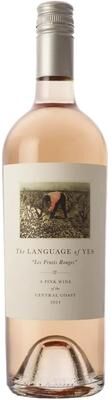
"""The Language of Yes""" """The Language of Yes Les Fruits Rouges Rose 2024 Rosé Wine - California""""""A medium salmon-colored rosé in which both Grenache and Cinsaut show their varietal typicity and inspire the moniker, \""Les Fruits Rouges.\"" A structured, pink-orange wine with vivid acidity and some tannin for a firm mouthfeel. Unique, earthy,..."22,97 $*Shipping: 0,00 $Secure redirect to the provider
-
"""The Language of Yes""" """The Language of Yes Les Fruits Rouges Rose 2025 Rosé Wine - California""""""A medium salmon-colored rosé in which both Grenache and Cinsaut show their varietal typicity and inspire the moniker, \""Les Fruits Rouges.\"""23,97 $*Shipping: 0,00 $Secure redirect to the provider
-
Summersdale Doggie Language by Lili Chin - Hardback - Illustrated Guide to Dog Body Language - Perfect Gift for Dog OwnersDoggie Language by Lili Chin is a beautifully illustrated hardback guide that decodes canine body language for dog owners, trainers, and animal lovers of all experience levels. Written and illustrated by Lili Chin, this compact yet comprehensive handbook turns subtle tail wags, ear positions, and posture shifts into a clear visual language anyone can learn. It's an ideal resource for new puppy parents, seasoned dog owners, and anyone looking to build a deeper bond with their four-legged companion. Dogs communicate constantly through body language, but much of what they're telling us goes unnoticed or misread, often leading to unnecessary stress for both dog and owner. This guide addresses this gap with warm, friendly illustrations mapping out common canine postures, facial expressions, and tail positions.3,95 £*Shipping: 2,99 £Secure redirect to the provider
-
RLF Home Tradition Provance Valance"Fits Windows up to 50""W. Use multiples for Wider Windows. Decorator's quality fabrics. Fully lined with Poly/Cotton Ivory lining. Use a 2-1/2"" Continental Rod, a regular 3/4"" Curtain rod, Tension rod or Decorative pole no more than 1-3/8"" Diameter."64,49 $*Shipping: 0,00 $Secure redirect to the provider


-
Is "Rot" a noun?
Yes, "Rot" is a noun. It refers to the process of decay or decomposition in organic matter. **
-
Is "müssen" a noun?
No, "müssen" is not a noun. It is a modal verb in German that means "must" or "have to." Modal verbs are used to express necessity, obligation, or possibility in a sentence. **
-
How do I recognize a masculine noun and a feminine noun in French?
In French, the gender of a noun is not always predictable and can vary from word to word. However, there are some general rules to help recognize the gender of a noun. One common rule is that nouns ending in -e are often feminine, while those ending in other letters are often masculine. Additionally, nouns referring to male people or animals are usually masculine, while those referring to female people or animals are usually feminine. However, it's important to note that there are many exceptions to these rules, and the gender of a noun often needs to be learned and memorized along with the word itself. **
-
How can I recognize a masculine noun and a feminine noun in French?
In French, one way to recognize a masculine noun is by looking at the article that precedes it. Masculine nouns are usually preceded by the articles "le" (singular) or "les" (plural). On the other hand, feminine nouns are typically preceded by the articles "la" (singular) or "les" (plural). Additionally, many feminine nouns end in the letter "e," while masculine nouns often do not. It is important to remember that there are exceptions to these rules, so it is helpful to learn the gender of nouns along with their respective articles. **


Is a name a noun?
Yes, a name is a noun. In grammar, a noun is a word that represents a person, place, thing, or idea. Names are used to identify specific people, places, or things, making them a type of noun. For example, "John" is a name representing a person, "Paris" is a name representing a place, and "book" is a noun representing a thing. **
What are German noun signals?
German noun signals are words that indicate the gender of a noun in the German language. These signals can help learners determine whether a noun is masculine, feminine, or neuter. Some common signals include definite articles like "der" for masculine nouns, "die" for feminine nouns, and "das" for neuter nouns. Additionally, the ending of a noun can also serve as a signal, as certain endings are typically associated with specific genders. **
Top-Angebote
Products related to Noun:
-
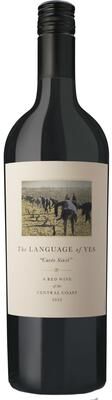
"""The Language of Yes""" """The Language of Yes Cuvee Sinso 2022 Red Wine - California""""""A French-inspired, Cinsaut-based red blend. Cinsaut and Syrah co-fermented for two weeks to extract color and texture. A small amount of Grenache from Rancho Réal was blended for fragrance. Aged in neutral barrels and stainless. Exuberantly..."26,97 $*Shipping: 0,00 $Secure redirect to the provider
-
"""The Language of Yes""" """The Language of Yes Les Fruits Rouges Rose 2024 Rosé Wine - California""""""A medium salmon-colored rosé in which both Grenache and Cinsaut show their varietal typicity and inspire the moniker, \""Les Fruits Rouges.\"" A structured, pink-orange wine with vivid acidity and some tannin for a firm mouthfeel. Unique, earthy,..."22,97 $*Shipping: 0,00 $Secure redirect to the provider
-
"""The Language of Yes""" """The Language of Yes Les Fruits Rouges Rose 2025 Rosé Wine - California""""""A medium salmon-colored rosé in which both Grenache and Cinsaut show their varietal typicity and inspire the moniker, \""Les Fruits Rouges.\"""23,97 $*Shipping: 0,00 $Secure redirect to the provider
-
From which language does the noun ending -oid originate?
The noun ending -oid originates from the Greek language. It is used to form adjectives and nouns that indicate resemblance or similarity to the base word. For example, the word "android" comes from the Greek words "andr-" (man) and "-oid" (resembling), and it is used to describe a robot that resembles a human. This suffix is commonly used in scientific and technical terminology. **
-
Is anger a noun?
Yes, anger is a noun. It is a feeling or emotion that can be experienced by a person. As a noun, anger refers to the strong feeling of displeasure or hostility towards someone or something. It is a common human emotion that can vary in intensity and duration. **
-
Is "Rot" a noun?
Yes, "Rot" is a noun. It refers to the process of decay or decomposition in organic matter. **
-
Is "müssen" a noun?
No, "müssen" is not a noun. It is a modal verb in German that means "must" or "have to." Modal verbs are used to express necessity, obligation, or possibility in a sentence. **
Similar search terms for Noun
-
Summersdale Doggie Language by Lili Chin - Hardback - Illustrated Guide to Dog Body Language - Perfect Gift for Dog OwnersDoggie Language by Lili Chin is a beautifully illustrated hardback guide that decodes canine body language for dog owners, trainers, and animal lovers of all experience levels. Written and illustrated by Lili Chin, this compact yet comprehensive handbook turns subtle tail wags, ear positions, and posture shifts into a clear visual language anyone can learn. It's an ideal resource for new puppy parents, seasoned dog owners, and anyone looking to build a deeper bond with their four-legged companion. Dogs communicate constantly through body language, but much of what they're telling us goes unnoticed or misread, often leading to unnecessary stress for both dog and owner. This guide addresses this gap with warm, friendly illustrations mapping out common canine postures, facial expressions, and tail positions.3,95 £*Shipping: 2,99 £Secure redirect to the provider
-
RLF Home Tradition Provance Valance"Fits Windows up to 50""W. Use multiples for Wider Windows. Decorator's quality fabrics. Fully lined with Poly/Cotton Ivory lining. Use a 2-1/2"" Continental Rod, a regular 3/4"" Curtain rod, Tension rod or Decorative pole no more than 1-3/8"" Diameter."64,49 $*Shipping: 0,00 $Secure redirect to the provider
-
"""Gardet Cuvee Brut Tradition Champagne - France""""""The color is yellowy honey gold. The aromas are decidedly winey and full. It explodes with hints of wheat and chalk. In the mouth it immediately gives white summer fruits with stone. Altogether fresh, with a full-bodied consistency that holds..."53,99 $*Shipping: 0,00 $Secure redirect to the provider
-
How do I recognize a masculine noun and a feminine noun in French?
In French, the gender of a noun is not always predictable and can vary from word to word. However, there are some general rules to help recognize the gender of a noun. One common rule is that nouns ending in -e are often feminine, while those ending in other letters are often masculine. Additionally, nouns referring to male people or animals are usually masculine, while those referring to female people or animals are usually feminine. However, it's important to note that there are many exceptions to these rules, and the gender of a noun often needs to be learned and memorized along with the word itself. **
-
How can I recognize a masculine noun and a feminine noun in French?
In French, one way to recognize a masculine noun is by looking at the article that precedes it. Masculine nouns are usually preceded by the articles "le" (singular) or "les" (plural). On the other hand, feminine nouns are typically preceded by the articles "la" (singular) or "les" (plural). Additionally, many feminine nouns end in the letter "e," while masculine nouns often do not. It is important to remember that there are exceptions to these rules, so it is helpful to learn the gender of nouns along with their respective articles. **
-
Is a name a noun?
Yes, a name is a noun. In grammar, a noun is a word that represents a person, place, thing, or idea. Names are used to identify specific people, places, or things, making them a type of noun. For example, "John" is a name representing a person, "Paris" is a name representing a place, and "book" is a noun representing a thing. **
-
What are German noun signals?
German noun signals are words that indicate the gender of a noun in the German language. These signals can help learners determine whether a noun is masculine, feminine, or neuter. Some common signals include definite articles like "der" for masculine nouns, "die" for feminine nouns, and "das" for neuter nouns. Additionally, the ending of a noun can also serve as a signal, as certain endings are typically associated with specific genders. **
* All prices are inclusive of VAT and, if applicable, plus shipping costs. The offer information is based on the details provided by the respective shop and is updated through automated processes. Real-time updates do not occur, so deviations can occur in individual cases. ** Note: Parts of this content were created by AI.