Buy خح.com ?
We are moving the project
خح.com .
Are you interested in purchasing the domain
خح.com ?
domain@kv-gmbh.de · 0541-91531010
Buy خح.com ?
What is a resultant wave in physics?
In physics, a resultant wave is the combination of two or more individual waves that are superimposed on each other. When waves with different amplitudes, frequencies, or phases overlap, they create a new wave pattern known as the resultant wave. The properties of the resultant wave, such as its amplitude, frequency, and phase, are determined by the properties of the individual waves that combine to form it. Resultant waves are important in understanding phenomena such as interference, diffraction, and standing waves. **
What is the resultant of a triangular load?
The resultant of a triangular load is the single force that can replace the distributed load while producing the same effect on the structure. It is the equivalent concentrated force that acts at a specific point on the structure. The magnitude and direction of the resultant force depend on the shape and intensity of the triangular load. Calculating the resultant force is important in structural analysis to simplify the analysis of complex loads. **


Similar search terms for Resultant
Top-Angebote
Products related to Resultant:
-
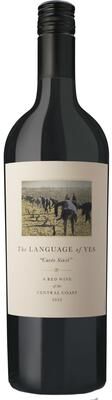
"""The Language of Yes""" """The Language of Yes Cuvee Sinso 2022 Red Wine - California""""""A French-inspired, Cinsaut-based red blend. Cinsaut and Syrah co-fermented for two weeks to extract color and texture. A small amount of Grenache from Rancho Réal was blended for fragrance. Aged in neutral barrels and stainless. Exuberantly..."26,97 $*Shipping: 0,00 $Secure redirect to the provider
-
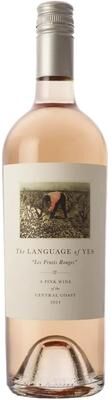
"""The Language of Yes""" """The Language of Yes Les Fruits Rouges Rose 2024 Rosé Wine - California""""""A medium salmon-colored rosé in which both Grenache and Cinsaut show their varietal typicity and inspire the moniker, \""Les Fruits Rouges.\"" A structured, pink-orange wine with vivid acidity and some tannin for a firm mouthfeel. Unique, earthy,..."22,97 $*Shipping: 0,00 $Secure redirect to the provider
-
"""The Language of Yes""" """The Language of Yes Les Fruits Rouges Rose 2025 Rosé Wine - California""""""A medium salmon-colored rosé in which both Grenache and Cinsaut show their varietal typicity and inspire the moniker, \""Les Fruits Rouges.\"""23,97 $*Shipping: 0,00 $Secure redirect to the provider


-
What is the resultant vector with two lengths and angles?
The resultant vector with two lengths and angles is the single vector that represents the combined effect of the two original vectors. To find the resultant vector, we use the parallelogram law of vector addition, which involves adding the two vectors tip to tail and then drawing the diagonal of the parallelogram formed. The length and angle of the resultant vector can be calculated using trigonometric functions such as sine and cosine. This resultant vector represents the combined effect of the original vectors in terms of both magnitude and direction. **
-
What formula do I use to calculate the resultant force?
To calculate the resultant force, you can use the formula: Resultant force = √(Fx^2 + Fy^2) Where Fx is the force in the x-direction and Fy is the force in the y-direction. This formula is derived from the Pythagorean theorem, which states that the magnitude of the resultant force is equal to the square root of the sum of the squares of the individual forces in each direction. **
-
What is the angle when two forces form a resultant?
When two forces form a resultant, the angle between the two forces can be found using the law of cosines. The angle can be calculated using the formula: cos(θ) = (F1^2 + F2^2 - R^2) / (2 * F1 * F2), where F1 and F2 are the magnitudes of the two forces and R is the magnitude of the resultant force. This angle represents the direction of the resultant force in relation to the original forces. **
-
What is the graphical resultant force of more than 3 forces?
The graphical resultant force of more than 3 forces is found by using the polygon method. This method involves drawing the forces as vectors with their tails at the same point, and then completing the polygon by drawing the final side from the head of the last vector to the tail of the first vector. The resultant force is then the vector that closes the polygon. This method allows us to find the magnitude and direction of the resultant force by using vector addition. **


How do you calculate the resultant force without using the cosine law?
To calculate the resultant force without using the cosine law, you can use the Pythagorean theorem. First, you would calculate the horizontal and vertical components of the forces. Then, you would use the Pythagorean theorem to find the magnitude of the resultant force by taking the square root of the sum of the squares of the horizontal and vertical components. Finally, you can use trigonometric functions to find the direction of the resultant force. **
How can one forget culture and heritage?
One can forget culture and heritage by not actively engaging with it, by being disconnected from one's roots and community, and by prioritizing other aspects of life over preserving and celebrating one's cultural identity. This can happen through assimilation into a different culture, lack of exposure to one's own cultural traditions and practices, and a lack of interest in learning about one's heritage. Additionally, societal pressures and discrimination can also contribute to the erasure of one's culture and heritage. **
Top-Angebote
Products related to Resultant:
-
"""The Language of Yes""" """The Language of Yes Syrah 2022 Red Wine - California""""""Blend: 82% Syrah, 18% Viognier This bottling by the original Rhône Ranger Randall Grahm, who employs a hefty 18% Viognier in this blend, begins with lovely black raspberry, white peppercorn and struck stone aromas on the nose. The palate is tight..."34,99 $*Shipping: 0,00 $Secure redirect to the provider
-
"""The Language of Yes""" """The Language of Yes Cuvee Sinso 2022 Red Wine - California""""""A French-inspired, Cinsaut-based red blend. Cinsaut and Syrah co-fermented for two weeks to extract color and texture. A small amount of Grenache from Rancho Réal was blended for fragrance. Aged in neutral barrels and stainless. Exuberantly..."26,97 $*Shipping: 0,00 $Secure redirect to the provider
-
"""The Language of Yes""" """The Language of Yes Les Fruits Rouges Rose 2024 Rosé Wine - California""""""A medium salmon-colored rosé in which both Grenache and Cinsaut show their varietal typicity and inspire the moniker, \""Les Fruits Rouges.\"" A structured, pink-orange wine with vivid acidity and some tannin for a firm mouthfeel. Unique, earthy,..."22,97 $*Shipping: 0,00 $Secure redirect to the provider
-
What is a resultant wave in physics?
In physics, a resultant wave is the combination of two or more individual waves that are superimposed on each other. When waves with different amplitudes, frequencies, or phases overlap, they create a new wave pattern known as the resultant wave. The properties of the resultant wave, such as its amplitude, frequency, and phase, are determined by the properties of the individual waves that combine to form it. Resultant waves are important in understanding phenomena such as interference, diffraction, and standing waves. **
-
What is the resultant of a triangular load?
The resultant of a triangular load is the single force that can replace the distributed load while producing the same effect on the structure. It is the equivalent concentrated force that acts at a specific point on the structure. The magnitude and direction of the resultant force depend on the shape and intensity of the triangular load. Calculating the resultant force is important in structural analysis to simplify the analysis of complex loads. **
-
What is the resultant vector with two lengths and angles?
The resultant vector with two lengths and angles is the single vector that represents the combined effect of the two original vectors. To find the resultant vector, we use the parallelogram law of vector addition, which involves adding the two vectors tip to tail and then drawing the diagonal of the parallelogram formed. The length and angle of the resultant vector can be calculated using trigonometric functions such as sine and cosine. This resultant vector represents the combined effect of the original vectors in terms of both magnitude and direction. **
-
What formula do I use to calculate the resultant force?
To calculate the resultant force, you can use the formula: Resultant force = √(Fx^2 + Fy^2) Where Fx is the force in the x-direction and Fy is the force in the y-direction. This formula is derived from the Pythagorean theorem, which states that the magnitude of the resultant force is equal to the square root of the sum of the squares of the individual forces in each direction. **
Similar search terms for Resultant
-
"""The Language of Yes""" """The Language of Yes Les Fruits Rouges Rose 2025 Rosé Wine - California""""""A medium salmon-colored rosé in which both Grenache and Cinsaut show their varietal typicity and inspire the moniker, \""Les Fruits Rouges.\"""23,97 $*Shipping: 0,00 $Secure redirect to the provider
-
RLF Home Tradition Provance Valance"Fits Windows up to 50""W. Use multiples for Wider Windows. Decorator's quality fabrics. Fully lined with Poly/Cotton Ivory lining. Use a 2-1/2"" Continental Rod, a regular 3/4"" Curtain rod, Tension rod or Decorative pole no more than 1-3/8"" Diameter."64,49 $*Shipping: 0,00 $Secure redirect to the provider
-
Summersdale Doggie Language by Lili Chin - Hardback - Illustrated Guide to Dog Body Language - Perfect Gift for Dog OwnersDoggie Language by Lili Chin is a beautifully illustrated hardback guide that decodes canine body language for dog owners, trainers, and animal lovers of all experience levels. Written and illustrated by Lili Chin, this compact yet comprehensive handbook turns subtle tail wags, ear positions, and posture shifts into a clear visual language anyone can learn. It's an ideal resource for new puppy parents, seasoned dog owners, and anyone looking to build a deeper bond with their four-legged companion. Dogs communicate constantly through body language, but much of what they're telling us goes unnoticed or misread, often leading to unnecessary stress for both dog and owner. This guide addresses this gap with warm, friendly illustrations mapping out common canine postures, facial expressions, and tail positions.3,95 £*Shipping: 2,99 £Secure redirect to the provider
-
What is the angle when two forces form a resultant?
When two forces form a resultant, the angle between the two forces can be found using the law of cosines. The angle can be calculated using the formula: cos(θ) = (F1^2 + F2^2 - R^2) / (2 * F1 * F2), where F1 and F2 are the magnitudes of the two forces and R is the magnitude of the resultant force. This angle represents the direction of the resultant force in relation to the original forces. **
-
What is the graphical resultant force of more than 3 forces?
The graphical resultant force of more than 3 forces is found by using the polygon method. This method involves drawing the forces as vectors with their tails at the same point, and then completing the polygon by drawing the final side from the head of the last vector to the tail of the first vector. The resultant force is then the vector that closes the polygon. This method allows us to find the magnitude and direction of the resultant force by using vector addition. **
-
How do you calculate the resultant force without using the cosine law?
To calculate the resultant force without using the cosine law, you can use the Pythagorean theorem. First, you would calculate the horizontal and vertical components of the forces. Then, you would use the Pythagorean theorem to find the magnitude of the resultant force by taking the square root of the sum of the squares of the horizontal and vertical components. Finally, you can use trigonometric functions to find the direction of the resultant force. **
-
How can one forget culture and heritage?
One can forget culture and heritage by not actively engaging with it, by being disconnected from one's roots and community, and by prioritizing other aspects of life over preserving and celebrating one's cultural identity. This can happen through assimilation into a different culture, lack of exposure to one's own cultural traditions and practices, and a lack of interest in learning about one's heritage. Additionally, societal pressures and discrimination can also contribute to the erasure of one's culture and heritage. **
* All prices are inclusive of VAT and, if applicable, plus shipping costs. The offer information is based on the details provided by the respective shop and is updated through automated processes. Real-time updates do not occur, so deviations can occur in individual cases. ** Note: Parts of this content were created by AI.